A stronger tomorrow starts right here.
Rooted in Longido and guided by a belief that community health and environmental resilience go hand in hand.
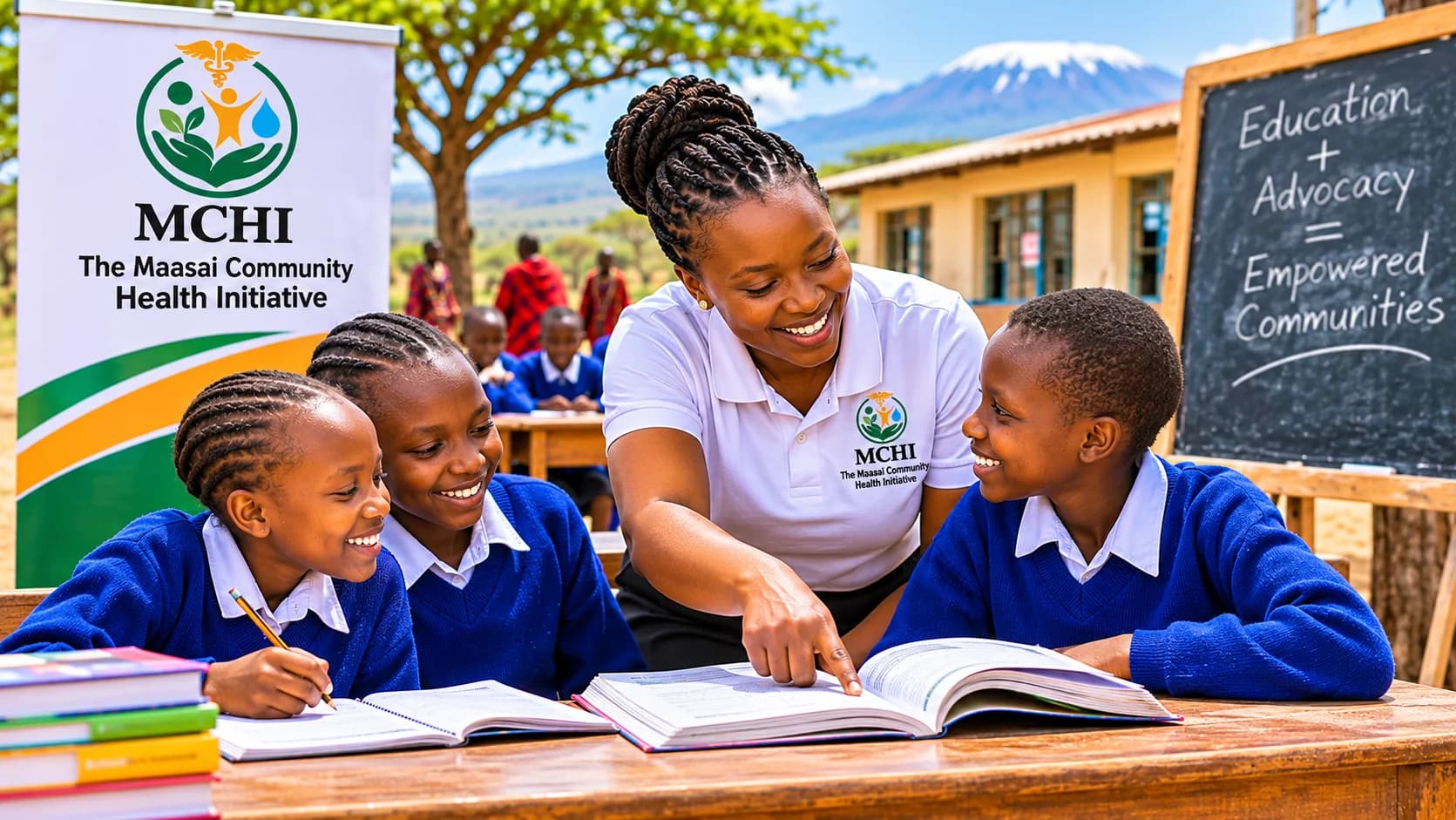
Community is not an audience. It is the starting point.
Founded in 2024, MCHI is a Tanzanian non-governmental organization working toward healthier, more resilient Maasai communities.
Our work addresses intersecting challenges in healthcare, food systems, environmental conditions, access to safe water, education and economic opportunity. We believe that locally grounded knowledge and strong partnerships are central to sustainable solutions.
Our organization profile frames three priority areas—healthcare, agroecology and environmental conservation, and education and advocacy—alongside cross-cutting work in livelihoods, leadership and technology.
Improving health, welfare and resilience.
Contributing to the wellbeing of vulnerable communities through accessible healthcare, health education, social support and economic empowerment.
Healthy lives, hope and opportunity.
Working toward a future where underserved communities can live healthier lives with hope, opportunity, integrity and meaningful access to support.
The values behind the work.
Change lasts when people shape it, local culture is respected and every initiative is accountable to the communities it serves.
Listen first
Understand priorities as people describe them, before proposing solutions.
Honor identity
Value Maasai knowledge, culture, languages and traditions as strengths.
Connect the dots
Build across health, education, ecology and livelihoods rather than in silos.
Think long-term
Choose resilient, locally relevant ideas that communities can sustain.
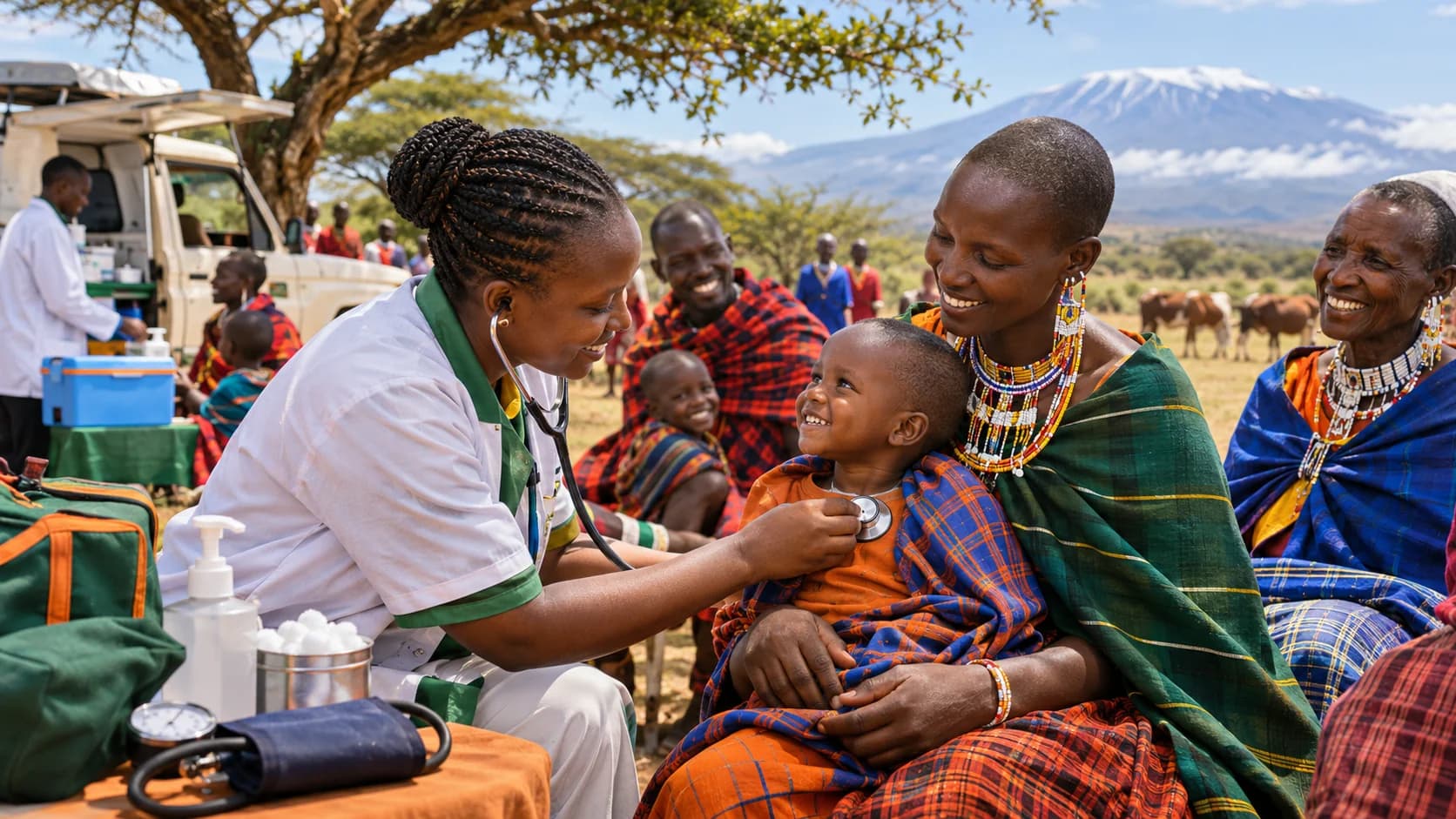
At home in Longido.
MCHI is based in Longido, Arusha Region, Tanzania, and describes a wider vision for serving underserved Maasai communities. Longido's people, landscape and local knowledge shape our focus on sustainable development.
Our office is located at LEMONG'O ECL Building, Madukani Street, Nairobi Road.
Visit or contact usExplore what we work toward.
Discover our six programs and the connections between health, land and opportunity.
Explore all six programs